What Is Noonan Syndrome and Why Does It Matter?
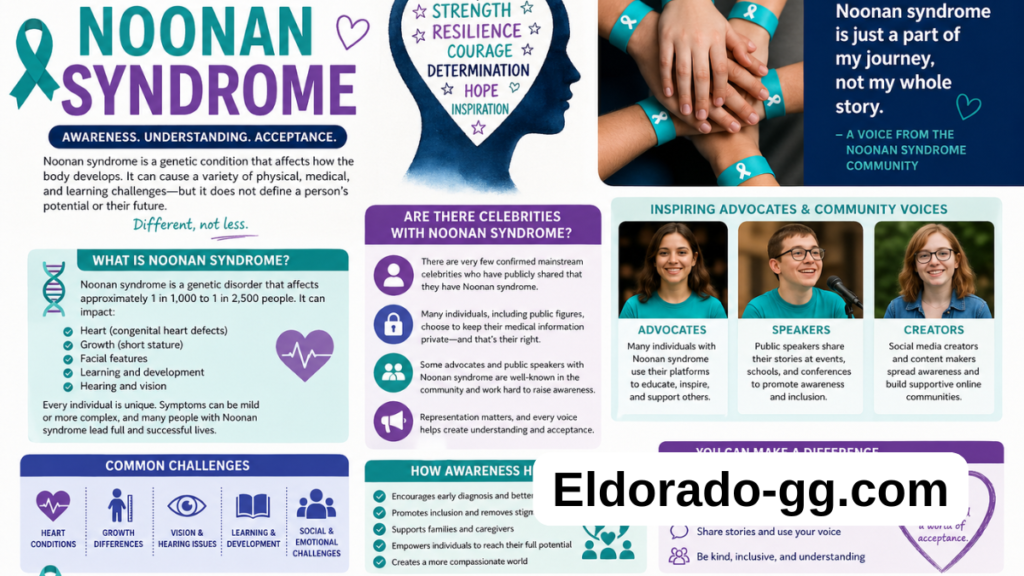
Noonan syndrome is a genetic condition that affects various parts of the body, often influencing physical development, heart function, and certain facial features. It is typically caused by mutations in genes involved in cell growth and development. While it is considered relatively rare, it is not as uncommon as many people assume, and awareness has steadily grown over the years.
What makes celebrities with noonan syndrome particularly interesting is its wide range of symptoms. Some individuals experience mild effects that go unnoticed for years, while others face more visible challenges such as heart defects, short stature, or learning differences. This variability means that many people with the condition lead full, successful lives, often without the public even realizing they have it.
Understanding Noonan syndrome becomes much easier when we look at real-life examples, especially those in the public eye. Celebrities and well-known figures who either have the condition or are associated with it help bring visibility and reduce stigma. Their stories highlight resilience and demonstrate that having a genetic condition does not limit one’s ability to achieve success.
Are There Celebrities with Noonan Syndrome?
When people search for celebrities with Noonan syndrome, they are often hoping to find recognizable names who openly live with the condition. However, it is important to approach this topic carefully. Unlike some other genetic conditions, Noonan syndrome is not always publicly disclosed by individuals, even if they have it.
There are very few confirmed cases of widely recognized celebrities openly stating they have Noonan syndrome. This does not necessarily mean that no celebrities have it; rather, it reflects the private nature of medical information. Many public figures choose not to discuss their health conditions, especially if those conditions are mild or do not significantly impact their careers.
That said, there are individuals in media, advocacy, and public speaking who have become well-known within the Noonan syndrome community. These figures may not be mainstream celebrities in the traditional sense, but they play an important role in raising awareness and representing people with the condition.
Public Figures and Advocates Raising Awareness
While mainstream celebrity representation is limited, several advocates have gained recognition for their efforts to spread awareness about Noonan syndrome. These individuals often share their personal experiences, participate in awareness campaigns, and connect with families affected by the condition.
Many of these advocates use social media platforms to document their journeys. They talk about medical challenges, personal milestones, and everyday life, offering a realistic and relatable perspective. Their openness helps others feel less isolated and provides valuable insights for parents and caregivers.
In addition, some individuals with Noonan syndrome have appeared in documentaries, interviews, and health awareness programs. Their visibility may not always translate into celebrity status, but their impact is significant. They contribute to a broader understanding of the condition and challenge misconceptions.
Why Celebrity Representation Is Limited
One of the key reasons there are not many publicly known celebrities with Noonan syndrome is the variability of the condition itself. Many individuals have mild symptoms that do not draw attention or require public discussion. As a result, even if a celebrity has the condition, it may not be widely known or relevant to their public image.
Another factor is the stigma that can still surround genetic conditions. Although awareness has improved, some individuals may worry about being labeled or misunderstood. This can discourage public disclosure, especially in industries where appearance and perception play a major role.
There is also the issue of misidentification. Sometimes people speculate that certain celebrities may have Noonan syndrome based on physical features, but this is not reliable or respectful. A diagnosis should always come from medical professionals, and personal health information should not be assumed or guessed.
The Importance of Accurate Representation
Accurate representation matters because it shapes how people understand and respond to a condition. When information is based on speculation rather than confirmed facts, it can lead to misunderstandings and reinforce stereotypes.
For Noonan syndrome, representation should focus on real experiences and verified cases. This ensures that the information being shared is both respectful and helpful. It also allows individuals with the condition to feel seen and understood without being misrepresented.
Media portrayals, when done correctly, can be powerful tools for education. Documentaries, interviews, and awareness campaigns that include real voices from the Noonan syndrome community provide a more authentic picture than assumptions about celebrities ever could.
Everyday Success Stories That Deserve Attention
Even though mainstream celebrities with Noonan syndrome may be rare, there are countless success stories worth highlighting. These include individuals who excel in academics, sports, arts, and professional careers despite the challenges they may face.
Many people with Noonan syndrome grow up to lead independent and fulfilling lives. They become teachers, engineers, artists, and entrepreneurs. Their achievements often go unnoticed simply because they are not in the spotlight, but they are just as inspiring as any celebrity story.
Focusing on these everyday successes helps shift the narrative. Instead of searching only for famous names, it encourages a broader appreciation of resilience and determination. It also provides more relatable role models for those living with the condition.
Media and Fictional Representation
In some cases, traits associated with Noonan syndrome may appear in fictional characters, although they are not explicitly labeled as such. These portrayals can sometimes help raise awareness, but they can also be misleading if not handled carefully.
Fictional representation often simplifies or exaggerates medical conditions for storytelling purposes. While this can make characters more memorable, it does not always reflect the real experiences of people with Noonan syndrome. As a result, viewers may develop inaccurate assumptions.
A more responsible approach would involve consulting medical experts and individuals with lived experience when creating characters with genetic conditions. This would ensure that portrayals are both accurate and respectful, contributing positively to public understanding.
The Role of Social Media in Awareness
Social media has become one of the most powerful tools for raising awareness about Noonan syndrome. Individuals and families use platforms like Instagram, TikTok, and YouTube to share their stories, connect with others, and educate the public.
These platforms allow for direct communication, which can be more impactful than traditional media. People can ask questions, share experiences, and build supportive communities. This level of interaction helps break down barriers and fosters empathy.
In many ways, social media influencers within the Noonan syndrome community function as modern-day celebrities. Their reach may not match that of Hollywood stars, but their influence is meaningful and often more personal. They provide real-life insights that resonate with audiences.
Challenges Faced by Individuals with Noonan Syndrome
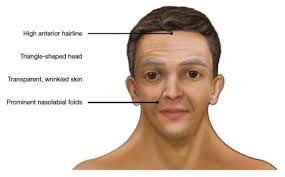
Living with Noonan syndrome can present a range of challenges, both physical and emotional. Common medical issues include heart defects, growth delays, and hearing or vision problems. These require ongoing care and monitoring.
Beyond the medical aspects, there are social and psychological challenges. Individuals may face misunderstandings, bullying, or low self-esteem بسبب differences in appearance or development. Support from family, educators, and communities is crucial in addressing these issues.
Despite these challenges, many individuals develop strong coping skills and resilience. They learn to advocate for themselves and navigate the world with confidence. Their experiences highlight the importance of acceptance and inclusion.
How Awareness Can Make a Difference
Awareness plays a key role in improving the lives of people with Noonan syndrome. When more people understand the condition, it becomes easier to create supportive environments in schools, workplaces, and communities.
Increased awareness also leads to better access to resources and medical care. Early diagnosis and intervention can make a significant difference in outcomes. Families who are informed are better equipped to manage the condition effectively.
Public awareness campaigns, especially those involving recognizable figures or compelling personal stories, can drive meaningful change. They encourage empathy, reduce stigma, and promote inclusivity.
The Future of Representation
As awareness continues to grow, it is likely that more public figures will feel comfortable sharing their experiences with Noonan syndrome. This could lead to greater visibility and a more diverse range of role models.
Advancements in media and communication also provide new opportunities for representation. Documentaries, podcasts, and digital platforms allow for more nuanced storytelling that goes beyond traditional celebrity culture.
The future of representation should focus on authenticity and diversity. By highlighting a wide range of experiences, it can provide a more complete and accurate understanding of Noonan syndrome.
Final Thoughts
The search for celebrities with Noonan syndrome reflects a broader desire for representation and connection. While there may not be many widely recognized public figures who have openly shared this diagnosis, the lack of celebrity examples does not diminish the importance of the condition or the people who live with it.
Real awareness comes from listening to authentic voices and understanding real experiences. Whether through advocates, social media influencers, or everyday individuals, the stories within the Noonan syndrome community are powerful and inspiring.
Rather than focusing solely on fame, it is more meaningful to recognize the achievements and resilience of all individuals with Noonan syndrome. Their lives offer valuable lessons about strength, adaptability, and the importance of acceptance.
FAQs
Are there famous celebrities with Noonan syndrome?
There are very few confirmed mainstream celebrities who have publicly disclosed having Noonan syndrome.
Can people with Noonan syndrome live normal lives?
Yes, many individuals with Noonan syndrome lead full, independent, and successful lives.
Is Noonan syndrome always visible?
No, symptoms vary widely and can be mild or subtle in many individuals.
Why don’t more celebrities talk about having Noonan syndrome?
Medical privacy and mild symptoms are common reasons for limited public disclosure.
How is Noonan syndrome diagnosed?
It is usually diagnosed through genetic testing and clinical evaluation by medical professionals.
Can Noonan syndrome affect intelligence?
Some individuals may have learning differences, but many have average intelligence.
Is there a cure for Noonan syndrome?
There is no cure, but treatments can manage symptoms effectively.
Does Noonan syndrome affect life expectancy?
Life expectancy can be normal, especially with proper medical care.
How can awareness be improved?
Through education, advocacy, and sharing real-life experiences.
Where can I learn more about Noonan syndrome?
Medical organizations and support groups provide reliable and detailed information.