Understanding What “Application Mobile DualMedia” Really Means
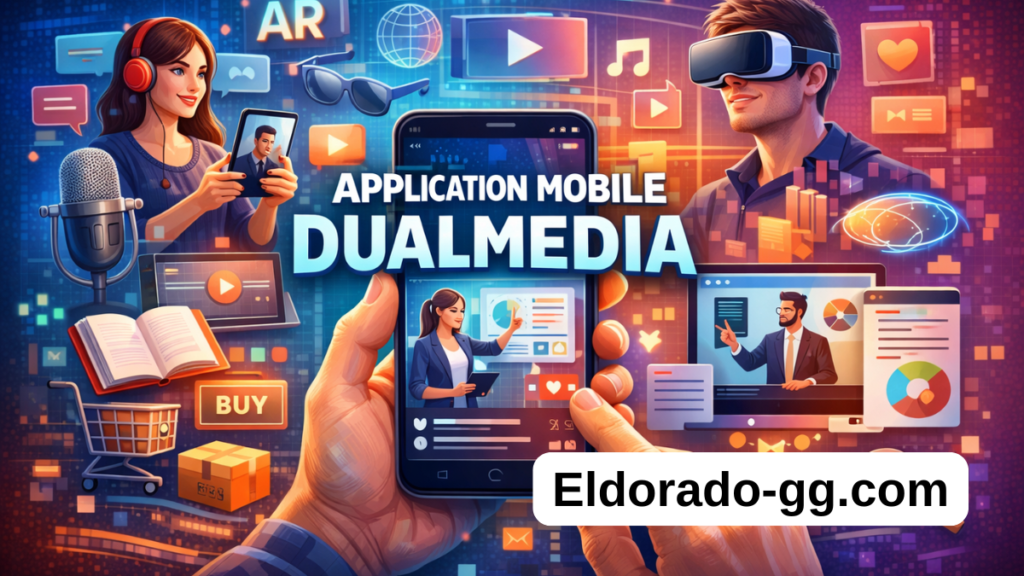
At its core, the term “application mobile dualmedia” refers to mobile applications that seamlessly combine two or more types of media formats into a unified, interactive experience. These formats can include text, audio, video, augmented reality, live streaming, and even interactive elements like gamification or real-time user input. Instead of treating each medium as a separate channel, dualmedia applications blend them into a cohesive environment where users can switch between—or simultaneously engage with—multiple forms of content.
This concept has grown rapidly due to the evolution of smartphone hardware and mobile internet capabilities. Devices today are not just communication tools; they are multimedia hubs with powerful processors, high-resolution displays, and advanced sensors. As a result, developers are no longer constrained by the limitations that once made single-format applications the norm. Instead, they are encouraged to create experiences that feel immersive, dynamic, and responsive to user behavior.
From a user perspective, dualmedia applications feel more engaging because they mirror how people naturally consume content. For example, someone might watch a video while reading captions, interact with live comments, or access supplementary information without leaving the app. This layered experience keeps users engaged longer and enhances comprehension, especially in educational or entertainment contexts.
Another important aspect is the shift in user expectations. Modern users expect apps to do more than just perform a single function. They want apps that inform, entertain, and interact—all at once. Dualmedia applications meet these expectations by delivering richer experiences that feel intuitive and satisfying. This is why industries ranging from education to marketing are rapidly adopting this approach.
The Evolution of Mobile Applications Toward DualMedia Integration
Mobile applications have come a long way since their early days. Initially, apps were simple tools designed to perform specific tasks—calculators, note-taking apps, or basic games. These early applications were largely static, with minimal interactivity and limited media integration. The focus was on functionality rather than experience.
As mobile technology evolved, so did the capabilities of apps. The introduction of faster internet speeds, better graphics processing units, and improved user interfaces allowed developers to experiment with richer content formats. Video streaming, audio playback, and interactive features became more common, but they were often implemented separately rather than as a unified system.
The real shift toward dualmedia began when developers started recognizing the value of combining these elements. Instead of offering video as a standalone feature, apps began integrating it with text overlays, interactive buttons, and real-time feedback systems. This created a more engaging experience and opened the door for innovative use cases such as live shopping, interactive storytelling, and immersive learning environments.
Another driving force behind this evolution has been the rise of user-generated content. Platforms that allow users to create and share multimedia content naturally lean toward dualmedia structures. For example, a single post might include a video clip, background music, text annotations, and interactive polls. This blending of media types has become a standard expectation rather than a novelty.
The evolution is also closely tied to advancements in artificial intelligence and machine learning. These technologies enable apps to personalize content delivery, optimize media formats based on user preferences, and even generate multimedia content automatically. As a result, dualmedia applications are not just more interactive—they are also smarter and more adaptive.
Key Features That Define a DualMedia Mobile Application
One of the defining characteristics of a dualmedia application is its ability to integrate multiple media formats without compromising performance or usability. This requires a carefully designed architecture that can handle different types of data simultaneously. For example, an app might need to stream video while displaying interactive text overlays and processing user input in real time.
Another key feature is synchronization. In a dualmedia environment, different media elements must work together seamlessly. For instance, subtitles must align perfectly with video playback, and interactive elements should respond instantly to user actions. Achieving this level of synchronization requires precise timing mechanisms and efficient data handling.
User interface design also plays a crucial role. A dualmedia app must present multiple layers of content without overwhelming the user. This involves thoughtful layout design, intuitive navigation, and adaptive interfaces that adjust based on the type of content being displayed. The goal is to make the experience feel natural rather than cluttered.
Interactivity is another essential component. Dualmedia applications often include features such as clickable elements, live polls, quizzes, or gesture-based controls. These features transform passive consumption into active engagement, which is particularly valuable in educational and marketing contexts.
Performance optimization is equally important. Handling multiple media streams can be resource-intensive, so developers must ensure that the app runs smoothly across different devices. This involves techniques such as efficient data compression, adaptive streaming, and background processing.
Finally, personalization is a hallmark of modern dualmedia apps. By analyzing user behavior, these apps can tailor content to individual preferences, making the experience more relevant and engaging. This level of customization is made possible by advanced analytics and machine learning algorithms.
Benefits of DualMedia Applications for Users and Businesses
For users, the most obvious benefit of dualmedia applications is enhanced engagement. By combining multiple forms of media, these apps create a richer and more immersive experience. Users are more likely to stay engaged when they can interact with content in different ways, whether it’s watching a video, reading supplementary text, or participating in live discussions.
Another advantage is improved information retention. Studies have shown that people learn better when information is presented in multiple formats. For example, combining visual and auditory elements can make complex concepts easier to understand. This is why dualmedia applications are particularly effective in educational settings.
Convenience is another major benefit. Instead of switching between different apps or platforms, users can access all the information they need in one place. This streamlined experience saves time and reduces friction, making the app more appealing.
From a business perspective, dualmedia applications offer significant advantages in terms of user engagement and retention. Higher engagement levels often translate into longer session times and increased user loyalty. This, in turn, can lead to higher revenue through advertising, subscriptions, or in-app purchases.
Dualmedia apps also provide more opportunities for monetization. For example, interactive ads can be integrated into the content without disrupting the user experience. Live shopping features allow users to purchase products directly from video streams, creating a seamless path from discovery to purchase.
Another important benefit is data collection. Dualmedia applications generate a wealth of data on user behavior, preferences, and interactions. This data can be used to refine the app’s features, improve content delivery, and develop more targeted marketing strategies.
Challenges in Developing DualMedia Mobile Applications
Despite their many advantages, dualmedia applications come with their own set of challenges. One of the biggest hurdles is technical complexity. Integrating multiple media formats requires a robust architecture and careful planning. Developers must ensure that all components work together seamlessly without causing performance issues.
Another challenge is resource management. Handling video, audio, and interactive elements simultaneously can be demanding on both the device and the network. This is particularly important in regions with limited internet connectivity or older devices. Developers must optimize their apps to ensure a smooth experience across different environments.
User interface design is another area that requires careful consideration. Presenting multiple layers of content can easily lead to a cluttered or confusing interface. Designers must strike a balance between providing rich functionality and maintaining simplicity and usability.
Content synchronization is also a complex task. Ensuring that different media elements align perfectly in real time requires precise timing and coordination. Any delays or mismatches can disrupt the user experience and reduce engagement.
Security and privacy are additional concerns. Dualmedia applications often collect large amounts of user data, which must be handled responsibly. Developers must implement strong security measures to protect user information and comply with relevant regulations.
Finally, there is the challenge of content creation. Producing high-quality multimedia content requires significant time and resources. Businesses must invest in skilled professionals and advanced tools to create content that meets user expectations.
Real-World Applications of DualMedia Technology
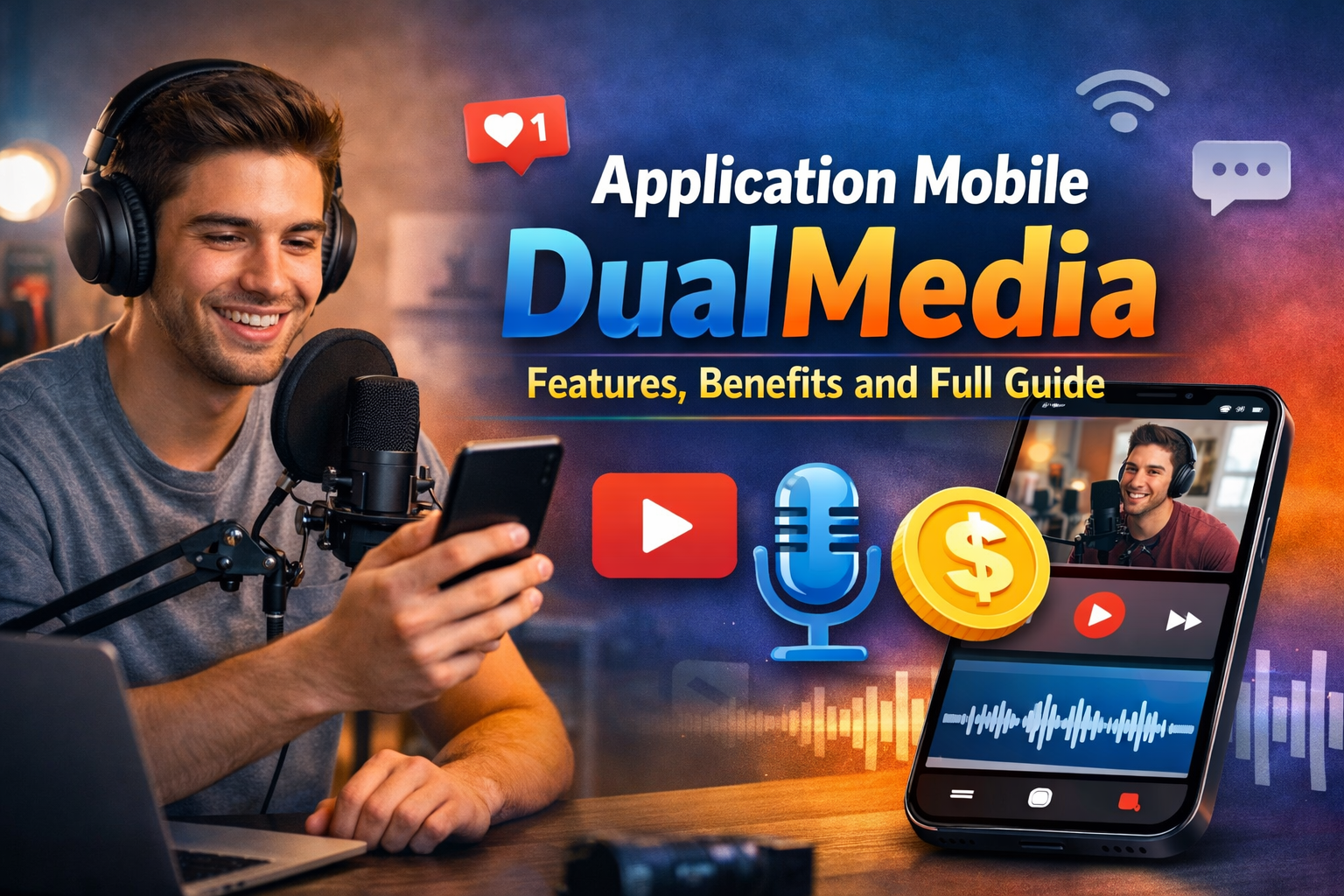
Dualmedia technology is being used across a wide range of industries, each leveraging its capabilities in unique ways. In the education sector, for example, dualmedia applications are transforming how students learn. Interactive lessons that combine video lectures, text explanations, and quizzes provide a more engaging and effective learning experience.
In the entertainment industry, dualmedia apps are redefining how content is consumed. Streaming platforms are incorporating features such as live chats, interactive storytelling, and behind-the-scenes content, creating a more immersive experience for viewers.
The retail sector is also benefiting from dualmedia technology. Live shopping apps allow users to watch product demonstrations, interact with hosts, and make purchases in real time. This creates a more engaging shopping experience and increases conversion rates.
Healthcare is another area where dualmedia applications are making an impact. Telemedicine apps combine video consultations with interactive health records and educational content, providing a comprehensive solution for both patients and healthcare providers.
In the corporate world, dualmedia applications are being used for training and communication. Interactive training modules that combine video, text, and quizzes are more effective than traditional methods. Similarly, internal communication apps that integrate multiple media formats help teams collaborate more effectively.
Even social media platforms are evolving toward dualmedia structures. Posts that combine video, audio, text, and interactive elements are becoming the norm, reflecting the growing demand for richer and more engaging content.
The Role of Technology in Enabling DualMedia Experiences
The rise of dualmedia applications would not have been possible without advancements in technology. High-speed internet, particularly the rollout of 5G networks, has made it easier to stream high-quality video and audio without interruptions. This is a critical factor in delivering seamless dualmedia experiences.
Cloud computing is another key enabler. By offloading processing and storage to the cloud, developers can create more complex applications without overburdening the user’s device. This also allows for real-time data synchronization and scalability.
Artificial intelligence plays a significant role as well. AI algorithms can analyze user behavior, optimize content delivery, and even generate multimedia content. For example, AI can automatically create subtitles, recommend content, or personalize the user experience.
Augmented reality and virtual reality technologies are also contributing to the growth of dualmedia applications. These technologies add an additional layer of interactivity, allowing users to engage with content in entirely new ways.
Finally, advancements in mobile hardware have made it possible to handle multiple media streams efficiently. Modern smartphones are equipped with powerful processors, high-resolution displays, and advanced sensors, all of which contribute to a smoother and more immersive experience.
Best Practices for Designing a DualMedia Mobile Application
Designing a successful dualmedia application requires a user-centric approach. The first step is to understand the target audience and their preferences. This helps in determining the types of media to include and how they should be integrated.
Simplicity should always be a priority. While it may be tempting to include as many features as possible, a cluttered interface can overwhelm users. Instead, focus on delivering a clean and intuitive design that makes it easy to navigate between different media elements.
Performance optimization is crucial. Developers should use techniques such as adaptive streaming and efficient data compression to ensure smooth playback and quick loading times. This is especially important for users with limited bandwidth.
Consistency is another important factor. The app’s design and functionality should be consistent across different sections, creating a cohesive experience. This includes maintaining uniform styles, layouts, and interaction patterns.
Testing is essential to identify and resolve potential issues. This includes testing on different devices, network conditions, and user scenarios. Regular updates and improvements based on user feedback are also important for maintaining a high-quality experience.
Finally, accessibility should not be overlooked. Features such as subtitles, voice controls, and adjustable text sizes make the app more inclusive and improve the overall user experience.
The Future of Application Mobile DualMedia
The future of dualmedia applications looks incredibly promising. As technology continues to evolve, we can expect even more sophisticated and immersive experiences. For example, the integration of artificial intelligence and augmented reality could lead to applications that adapt in real time based on user behavior and environmental factors.
Another trend to watch is the rise of hyper-personalization. Future dualmedia apps will likely use advanced analytics to deliver highly customized content, making each user’s experience unique. This will further enhance engagement and satisfaction.
The growth of wearable devices and the Internet of Things (IoT) will also play a role. Dualmedia experiences could extend beyond smartphones to include smart glasses, watches, and other connected devices, creating a more integrated digital ecosystem.
In addition, the boundaries between different types of media will continue to blur. We may see applications that seamlessly combine video, audio, text, and interactive elements in ways that are currently difficult to imagine.
Finally, as user expectations continue to rise, developers will need to push the limits of what is possible. This will drive innovation and lead to the creation of applications that are not only functional but also deeply engaging and enjoyable.
FAQs
What is an application mobile dualmedia? It is a mobile app that combines multiple media formats like video, audio, and text into one interactive experience.
Why are dualmedia apps more engaging? They allow users to interact with content in multiple ways at the same time, increasing immersion.
Are dualmedia apps harder to develop? Yes, they require more complex architecture and synchronization between different media types.
Where are dualmedia applications commonly used? They are widely used in education, entertainment, retail, healthcare, and social media.
Do dualmedia apps require high internet speed? Generally yes, especially for smooth streaming and real-time interactivity.
Can small businesses benefit from dualmedia apps? Absolutely, they can improve customer engagement and boost conversions.
Is AI important in dualmedia applications? Yes, it helps personalize content and optimize the user experience.
What is the future of dualmedia apps? The future includes more immersive, personalized, and AI-driven experiences across multiple devices.
Also Read: Snigdhasnack Goes Viral: Why Everyone in the US Is Talking