
Understanding the Appeal of Femboy Names
When people search for “femboy names,” they’re usually looking for something that feels soft, expressive, and a little outside traditional gender expectations. A femboy name often blends masculine and feminine qualities, creating a sense of balance rather than strict identity. It’s not just about sounding cute or aesthetic—it’s about finding a name that resonates with how someone sees themselves or wants to be perceived.
Names have always carried emotional weight. Whether it’s your birth name, a nickname, or something you choose for yourself online, it shapes how others interact with you and how you present yourself. For many, choosing a femboy name becomes part of exploring identity, style, and self-expression. It’s similar to picking a username or persona, but often more personal and meaningful.
Another reason these names are so popular is the rise of online communities where individuality is celebrated. Platforms like gaming spaces, social media, and creative forums encourage people to experiment with identity. A femboy name becomes a tool—something flexible that lets you express softness, creativity, or uniqueness without needing to explain yourself every time.
What Makes a Name Feel “Femboy”?
A femboy name isn’t defined by strict rules. Instead, it tends to share certain qualities that make it feel gentle, aesthetic, or androgynous. Many of these names have softer sounds, shorter syllables, or lyrical flow. Think of names that don’t feel overly rigid or traditionally masculine—they often lean toward neutrality or softness.
Phonetically, softer consonants and vowel-heavy names tend to dominate. Names like “Lumi,” “Ari,” or “Milo” feel light and approachable. These sounds create a sense of warmth rather than dominance, which aligns with the overall aesthetic many people associate with femboy identity.
Cultural influence also plays a role. Anime, indie games, fantasy stories, and even nature-based naming trends have shaped what people consider fitting. This means you’ll often see names inspired by stars, flowers, weather, or fictional characters. It’s less about tradition and more about vibe and emotional tone.
Soft and Androgynous Name Ideas
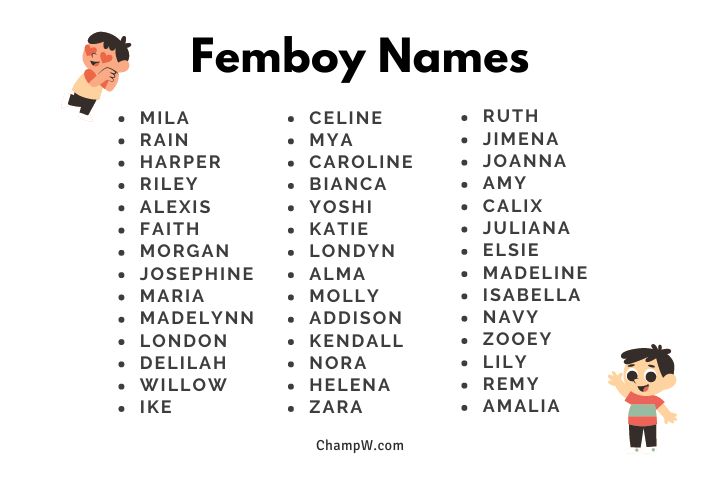
Soft, androgynous names are probably the most common category. These names don’t lean heavily masculine or feminine, which makes them versatile and widely appealing. They’re perfect for anyone who wants a name that feels balanced and adaptable.
Examples include names like Ash, Riley, Jamie, and Quinn. These names have been used across genders for years, but in the context of femboy identity, they take on a slightly softer, more expressive feel. They don’t box someone into expectations, which is exactly why they work so well.
Another benefit of androgynous names is their flexibility in different settings. Whether you’re using the name online, among friends, or even considering it more seriously, it won’t feel out of place. That adaptability makes them a safe yet expressive choice for many people exploring identity.
Cute and Aesthetic Name Styles
Cute names are another huge part of the “femboy names” trend. These names lean into charm, softness, and sometimes a playful tone. They often sound light, almost like nicknames, even if they’re used as full names.
Names like Bunny, Coco, Kiko, or Nini fall into this category. They might not always sound traditional, but that’s part of their appeal. They feel personal, almost like something chosen specifically to reflect a certain mood or aesthetic.
Aesthetic names also draw inspiration from visual culture. Think pastel colors, soft lighting, cozy environments—these ideas translate into names like Luma, Cloud, Peach, or Skye. They don’t just sound nice; they evoke imagery, which makes them memorable and emotionally resonant.
Nature-Inspired Femboy Names
Nature is one of the biggest sources of inspiration for femboy names. There’s something inherently soft and calming about nature-based words, which makes them a natural fit for this style of naming.
Names like River, Sage, Willow, and Rain are popular because they feel grounded yet gentle. They carry meaning without being too heavy, and they connect the person to something universal and timeless. Nature names often have a poetic quality that enhances their appeal.
Another interesting aspect is how these names can reflect personality traits. For example, someone might choose “Storm” to show intensity mixed with beauty, or “Petal” to emphasize softness and delicacy. This symbolic layer adds depth, making the name more than just a label.
Short and Minimalist Names
Minimalist names have become increasingly popular, especially in online spaces. These names are usually one or two syllables, easy to remember, and visually clean when written out.
Examples include Kai, Leo, Eli, and Ren. These names don’t try too hard—they’re simple, but they carry a lot of style. That simplicity often makes them feel modern and effortless, which is part of their charm.
Short names also work well across different platforms. Whether it’s a username, a display name, or something used in conversation, they’re quick and easy to use. This practicality, combined with their aesthetic appeal, makes them a go-to choice for many.
Fantasy and Fiction-Inspired Names
Fantasy names bring a completely different energy to the table. They’re often more unique and imaginative, drawing inspiration from books, games, and mythology. These names can feel magical, mysterious, or even slightly otherworldly.
Names like Elio, Aether, Nova, and Orion fall into this category. They have a sense of wonder that sets them apart from everyday names. For someone who enjoys storytelling or creative expression, these names can feel especially meaningful.
Fiction-inspired names also allow for deeper personal connections. Maybe a name comes from a favorite character or story that had a big impact. Choosing a name like that isn’t just about sound—it’s about carrying a piece of that inspiration with you.
Cultural and Global Influences
Femboy names are not limited to one culture or language. In fact, many people draw inspiration from different parts of the world to find names that feel unique and expressive.
Japanese-inspired names like Haru, Yuki, or Sora are popular because of their soft sounds and meaningful translations. Similarly, names from other languages—like Luca, Nico, or Arlo—bring diversity and richness to the naming process.
Exploring global names also helps break away from traditional norms. It opens up a wider pool of options, allowing people to find something that truly resonates rather than settling for what’s familiar.
Choosing the Right Name for Yourself
Picking a name can feel overwhelming, especially with so many options available. The most important thing is to focus on how the name makes you feel. If it feels right when you say it or see it written down, that’s a strong sign you’re on the right track.
It’s also okay to experiment. You don’t have to commit immediately. Try using the name in different contexts—online profiles, conversations with friends, or even just writing it down. Over time, you’ll get a better sense of whether it fits.
Another helpful approach is to think about what you want the name to express. Do you want something soft and cute? Something mysterious? Something simple and modern? Knowing the vibe you’re going for can make the decision much easier.
Common Mistakes to Avoid
One common mistake is choosing a name purely based on trends. While it’s fine to take inspiration from what’s popular, a name should still feel personal. If it doesn’t resonate with you, it might not feel right in the long run.
Another mistake is overcomplicating things. Some people feel pressured to pick something extremely unique, but uniqueness doesn’t always mean better. A simple name that feels authentic can be far more meaningful.
It’s also worth avoiding names that might cause confusion or discomfort in certain settings. While self-expression is important, practicality matters too. Finding a balance between creativity and usability is key.
The Role of Names in Self-Expression
At the end of the day, a name is a form of self-expression. It’s a way to communicate something about yourself without saying a word. For many people exploring identity, choosing a name can be a powerful and empowering experience.
A femboy name, in particular, reflects a blend of traits that challenge traditional norms. It embraces softness without rejecting masculinity entirely. That balance is what makes it so unique and meaningful.
As communities continue to grow and evolve, so will naming trends. New styles, inspirations, and ideas will keep emerging. But the core purpose remains the same: helping people feel seen, understood, and comfortable in their own identity.
FAQs
What is a femboy name? A femboy name is a soft, aesthetic, or androgynous name chosen to reflect a gentle or expressive identity.
Can I choose any name I like? Yes, the best name is the one that feels right and meaningful to you personally.
Are femboy names always gender-neutral? Not always, but they often lean toward softer or more balanced sounds.
Do I have to legally change my name? No, many people use chosen names socially or online without legal changes.
Where can I use my femboy name? You can use it in games, social media, friendships, or anywhere you feel comfortable.
Also read: Best Dad Jokes Flirty: The Ultimate Guide to Playful Charm and Effortless Humor