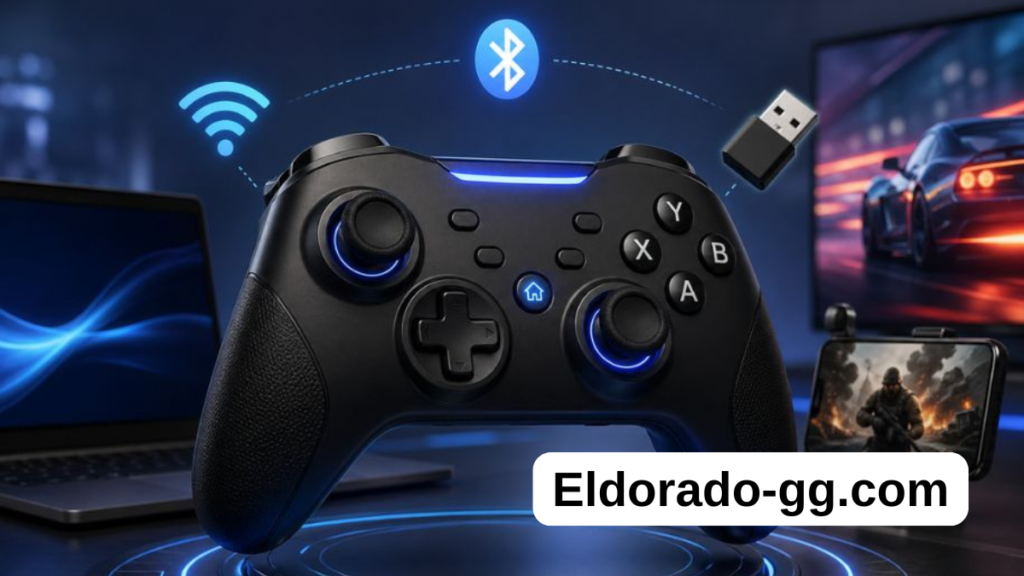
Understanding What Connectivity Means in HSSGamepad
When people talk about “connectivity” in the context of the HSSGamepad, they often assume it simply refers to how the controller connects to a device. That’s only scratching the surface. connectivity hssgamepad represents an entire ecosystem of communication protocols, device compatibility layers, latency optimization, and user experience design that ensures the controller feels like a natural extension of the player’s hands. It’s not just about linking hardware—it’s about creating a responsive, reliable, and immersive gaming interaction.
At its core, the HSSGamepad is designed to operate across multiple platforms without forcing the user to think about technical barriers. Whether you’re switching between a PC, a mobile device, or a console, the connectivity system adapts intelligently. This is achieved through a combination of Bluetooth standards, wired USB connections, and sometimes proprietary wireless protocols that ensure stability and minimal lag. The emphasis is on plug-and-play simplicity while still delivering high-end performance.
Another important aspect of connectivity in HSSGamepad is its adaptability to different gaming environments. For instance, competitive gamers demand ultra-low latency, while casual players prioritize convenience and ease of use. The HSSGamepad bridges this gap by offering multiple connectivity modes that can be toggled based on the user’s preference. This flexibility is what makes it stand out in a crowded market where many controllers lock users into a single mode of operation.
Wireless Connectivity: Freedom Without Compromise
Wireless connectivity is one of the defining features of the HSSGamepad, and it’s engineered to provide both freedom and reliability. Unlike older wireless controllers that struggled with signal drops and lag, modern implementations in HSSGamepad utilize advanced Bluetooth versions that support faster data transfer rates and improved stability. This means you can play from a distance without worrying about interruptions or delayed inputs.
The beauty of wireless connectivity lies in its convenience. You can connect the HSSGamepad to your device in seconds, often without needing additional drivers or complicated setup processes. Pairing is typically straightforward—press a button combination, select the device on your screen, and you’re ready to go. This simplicity is intentional, as it removes friction and allows players to jump straight into their games.
However, wireless doesn’t mean sacrificing performance. The HSSGamepad is designed to minimize input lag through optimized firmware and efficient signal handling. In real-world usage, the difference between wired and wireless modes is often negligible for most players. For competitive scenarios, the controller still provides the option to switch to a wired connection, ensuring that users always have control over their gaming experience.
Wired Connectivity: Precision and Stability
While wireless connectivity offers unmatched convenience, wired connectivity remains a cornerstone of the HSSGamepad’s design. For players who prioritize absolute precision and zero latency, a wired connection is often the preferred choice. By connecting the gamepad directly via USB, users can eliminate potential interference and ensure a stable data stream between the controller and the device.
One of the key advantages of wired connectivity is its consistency. Unlike wireless signals that can be affected by environmental factors such as interference or distance, a wired connection provides a direct and uninterrupted link. This is particularly important in competitive gaming, where even a millisecond delay can impact performance. The HSSGamepad caters to this need by offering high-speed USB connectivity that ensures instant response times.
Additionally, wired connectivity serves a dual purpose by charging the controller while in use. This eliminates the need to pause gameplay to recharge the battery, making it a practical option for long gaming sessions. The seamless transition between wired and wireless modes further enhances the user experience, allowing players to switch based on their needs without any hassle.
Multi-Platform Compatibility and Seamless Switching
One of the standout features of the HSSGamepad is its ability to connect to multiple platforms effortlessly. In today’s gaming landscape, players often switch between devices, and having a controller that can keep up is essential. The HSSGamepad is built with compatibility in mind, supporting a wide range of systems including PCs, smartphones, tablets, and various gaming consoles.
This multi-platform functionality is made possible through intelligent connectivity protocols that automatically detect the device and adjust the controller’s behavior accordingly. For example, button mappings and input recognition may change depending on whether you’re connected to a PC or a mobile device. This ensures that the controller feels intuitive regardless of the platform you’re using.
Seamless switching between devices is another area where the HSSGamepad excels. Instead of requiring users to unpair and reconnect each time they switch devices, the controller often supports quick switching features. This allows you to move from one device to another with minimal effort, making it ideal for gamers who frequently alternate between different systems.
Latency Optimization: The Invisible Advantage
Latency is one of the most critical factors in gaming connectivity, and the HSSGamepad is designed to keep it as low as possible. While it’s easy to focus on visible features like design and button layout, latency operates behind the scenes, influencing how responsive the controller feels. A well-optimized connectivity system ensures that inputs are registered instantly, creating a smooth and immersive experience.
The HSSGamepad achieves low latency through a combination of hardware and software optimizations. On the hardware side, it uses high-speed communication modules that can transmit data quickly and efficiently. On the software side, firmware algorithms are designed to prioritize input data, reducing delays and ensuring that commands are processed in real time.
Another important factor is the consistency of latency. It’s not just about having low latency but also maintaining it throughout the gaming session. Sudden spikes or fluctuations can disrupt gameplay, especially in fast-paced games. The HSSGamepad addresses this by stabilizing its connection and minimizing variations, providing a reliable performance that players can depend on.
Battery Efficiency and Power Management
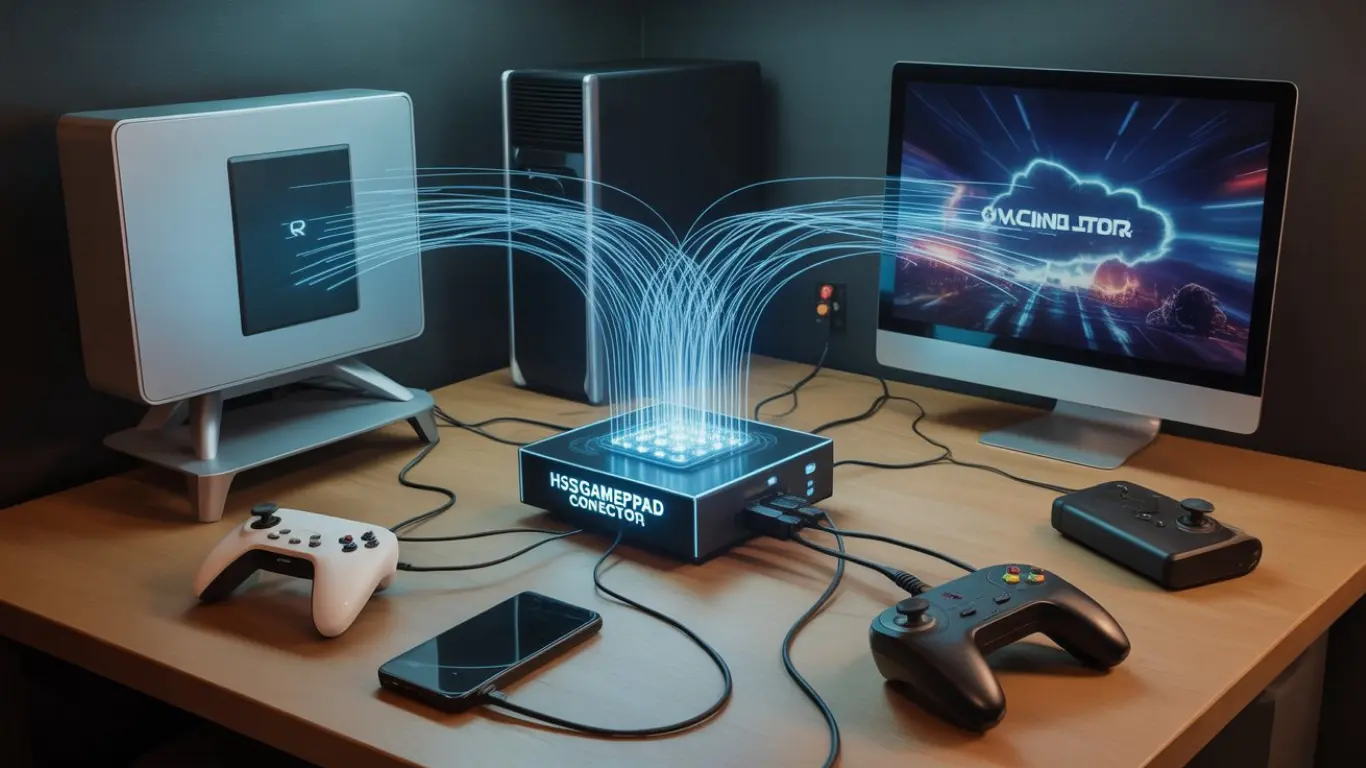
Connectivity isn’t just about how a device communicates—it also impacts how it manages power. The HSSGamepad is designed with battery efficiency in mind, ensuring that wireless connectivity doesn’t come at the cost of frequent recharging. Advanced power management systems allow the controller to maintain a stable connection while conserving energy.
One of the ways this is achieved is through intelligent power scaling. The controller adjusts its power usage based on activity levels, reducing consumption during idle periods and ramping up when active. This ensures that the battery lasts longer without compromising performance. For users, this translates to fewer interruptions and more uninterrupted gameplay.
Charging options also play a role in connectivity. The HSSGamepad often supports fast charging and can be used while charging, providing flexibility for different gaming scenarios. Whether you prefer wireless convenience or wired reliability, the controller ensures that power management aligns with your usage patterns.
Firmware Updates and Connectivity Enhancements
A key advantage of modern controllers like the HSSGamepad is their ability to improve over time through firmware updates. Connectivity features are not static—they can be refined and enhanced based on user feedback and technological advancements. This means that the controller you buy today can become even better in the future.
Firmware updates often address issues such as connectivity stability, compatibility with new devices, and latency improvements. By keeping the controller updated, users can ensure that they are getting the best possible performance. The update process is usually straightforward, requiring only a connection to a compatible device and a few simple steps.
This ongoing support reflects a broader philosophy behind the HSSGamepad: connectivity is an evolving feature. Instead of being limited by its initial design, the controller adapts to changing needs, making it a long-term investment for gamers who value reliability and performance.
Interference Handling and Signal Stability
Wireless connectivity can sometimes be affected by interference from other devices, especially in environments with multiple wireless signals. The HSSGamepad addresses this challenge through advanced interference handling techniques that ensure a stable connection even in crowded signal environments.
One approach is the use of adaptive frequency hopping, which allows the controller to switch frequencies dynamically to avoid interference. This ensures that the connection remains stable even when other devices are operating nearby. For users, this means fewer disruptions and a more consistent gaming experience.
Signal strength is another factor that influences connectivity. The HSSGamepad is designed to maintain a strong connection over a reasonable distance, allowing players to move freely without losing signal quality. This is particularly useful in living room setups or when playing on larger screens where distance from the device may vary.
Customization and User-Controlled Connectivity Settings
The HSSGamepad goes beyond basic connectivity by offering customization options that allow users to tailor their experience. These settings often include options for adjusting connection modes, sensitivity, and even button mappings, giving players greater control over how the controller interacts with their device.
Customization is particularly important for gamers who have specific preferences or play styles. For example, some players may prefer a wired connection for competitive games but switch to wireless for casual play. The HSSGamepad makes it easy to toggle between these modes, ensuring that the controller adapts to the user rather than the other way around.
User-controlled settings also extend to connectivity profiles. These profiles can store configurations for different devices, making it easier to switch between setups without reconfiguring the controller each time. This level of personalization enhances the overall experience and makes the HSSGamepad a versatile tool for gamers of all types.
Future of Connectivity in HSSGamepad
As technology continues to evolve, the concept of connectivity hssgamepad is expected to expand even further. Emerging technologies such as low-latency wireless protocols, cloud gaming integration, and cross-platform ecosystems will shape the next generation of gaming controllers. The HSSGamepad is well-positioned to adapt to these changes, thanks to its flexible design and update capabilities.
One potential development is deeper integration with cloud gaming services, where connectivity plays an even more critical role. In such scenarios, the controller must communicate not only with the local device but also with remote servers, requiring ultra-fast and stable connections. The groundwork laid by current connectivity features will be essential in supporting these advancements.
Another area of growth is the integration of smart features that enhance connectivity. This could include automatic device detection, AI-driven optimization, and even predictive input handling. While these features are still evolving, they highlight the direction in which connectivity is heading—toward a more intelligent and seamless gaming experience.
FAQs
What is connectivity in HSSGamepad?
It refers to how the controller communicates with devices using wireless or wired methods for gameplay.
Does HSSGamepad support Bluetooth?
Yes, it uses advanced Bluetooth technology for wireless connections.
Is wired mode better than wireless?
Wired offers zero latency, while wireless provides convenience with minimal lag.
Can HSSGamepad connect to multiple devices?
Yes, it supports multi-platform connectivity and quick switching.
How do I reduce lag on HSSGamepad?
Using wired mode or ensuring a stable wireless environment helps reduce lag.
Does connectivity affect battery life?
Yes, wireless connectivity consumes battery, but power management helps optimize usage.
Can firmware updates improve connectivity?
Yes, updates often enhance stability and compatibility.
What devices are compatible with HSSGamepad?
It works with PCs, mobile devices, and many gaming platforms.
Is signal interference a problem?
Not usually, as the controller uses advanced techniques to maintain stability.
Can I customize connectivity settings?
Yes, users can adjust modes and preferences for a tailored experience.